
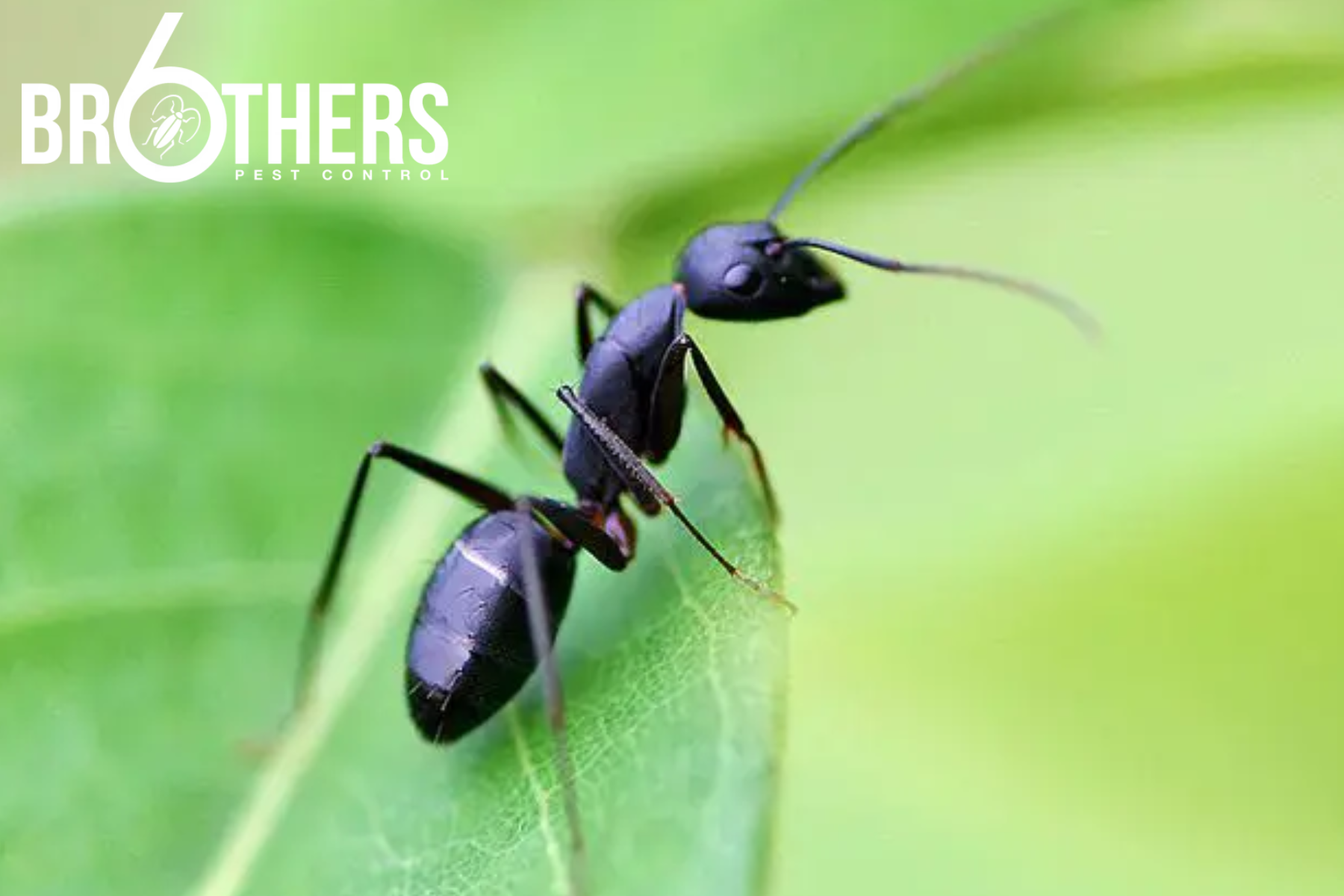
Black ants are a common sight in homes across Idaho, especially during the warmer months. You may spot them trailing across your kitchen countertops or finding their way into your pantry. But the real question homeowners often ask is: Are black ants dangerous?
Understanding the risks associated with black ants, what attracts them, and how to manage an infestation is crucial to maintaining a pest-free home. Let’s break down the facts every homeowner should know.
What Are Black Ants?
Black ants, commonly known as little black ants (Monomorium minimum), are small, dark-colored ants measuring about 1.5 mm in length. They are often found in kitchens, bathrooms, and near food sources. These ants are known for forming visible trails as they forage for food, and they often nest in walls, under floors, or outside near the foundation of homes.
Do Black Ants Bite?
One of the most common concerns homeowners have is whether black ants bite. While the answer is yes, they can bite, the bite is typically not painful or dangerous to humans. Little black ants are not aggressive, and their bites are rare and usually harmless. However, some individuals with sensitive skin may experience mild irritation.
You can learn more about this concern by checking: do black ants bite.
Are Black Ants a Health Hazard?
While black ants don’t pose a direct danger in terms of venom or aggression, they can still be a health concern primarily due to the bacteria they may carry. As they forage for food, black ants crawl over various surfaces, including garbage, pet waste, and decaying matter. When they make their way into your pantry or onto your kitchen counters, they can potentially contaminate food and surfaces.
This can lead to foodborne illnesses or the spread of bacteria like Salmonella. In commercial environments or homes with young children, the risk of cross-contamination should not be underestimated.
Why Are There Black Ants in the House?
Seeing black ants in house can be frustrating and confusing, especially when your home appears clean. These ants are excellent foragers and can detect food sources from a significant distance. They are particularly attracted to:
- Sugary spills or residues
- Pet food left out in bowls
- Crumbs or unsealed food packages
- Moisture-rich areas (like leaky sinks or humid basements)
Once black ants locate a food source, they leave behind a pheromone trail for the rest of the colony to follow, making the problem escalate quickly.
Can Black Ants Damage Your Home?
While little black ants are not structurally destructive like carpenter ants or termites, their nests can still be problematic. Nests inside walls, under floors, or near electrical components may go unnoticed until the infestation becomes significant. They can also displace insulation or soil around your foundation as their colonies grow.
If left untreated, a colony can reach thousands of ants, making it increasingly difficult to remove without professional intervention.
How to Prevent a Black Ant Infestation
To avoid the need for constant cleanup and protect your home from potential health risks, here are proactive steps you can take:
1. Seal Entry Points
Inspect your doors, windows, vents, and foundation for small cracks or gaps. Use caulk or weather stripping to seal these entry points.
2. Keep the Kitchen Clean
Clean up crumbs and spills immediately. Store food in airtight containers and avoid leaving pet food out overnight.
3. Eliminate Moisture
Fix leaky pipes and faucets. Consider using a dehumidifier in basements or crawl spaces to reduce excess moisture.
4. Clear Outdoor Debris
Black ants often nest outdoors in mulch, firewood piles, or under rocks. Keep these materials away from the perimeter of your home.
What to Do If You Have an Infestation
If black ants have already made their way into your home, the most effective approach is to contact a licensed Kuna pest control provider. Professional technicians can assess the infestation, locate the nest, and apply treatment using green and safe pesticides that are safe for your family and the environment.
If you’re searching for ant control near me, it’s essential to choose a provider who understands the local ecosystem and uses environmentally friendly techniques.
Residents in Kuna and surrounding areas can also explore options like pest control Kuna ID for tailored treatment programs.
Are Black Ants Dangerous to Pets?
Fortunately, black ants are not harmful to pets. They don’t carry venom and usually avoid animals altogether. However, if ants infest pet food bowls or bedding, this could result in contamination or cause stress to your pets. Maintaining a clean feeding area and sealing food containers can help prevent ant activity.

Final Thoughts: Are Black Ants Dangerous?
While black ants are not life-threatening or aggressive pests, they are still unwanted intruders that can contaminate food, create nuisance trails, and contribute to poor sanitation. Taking quick action at the first sign of an infestation is the best way to prevent the problem from escalating.
About 6 Brothers Pest Control
At 6 Brothers Pest Control, we take pride in being a local, family-owned and operated business dedicated to protecting your home or business from pests. Our highly trained technicians are carefully screened, undergoing drug testing and background checks, so you can trust us to provide reliable and professional service. We use products that are people-safe, pet-friendly, and environmentally conscious to ensure the health and well-being of your loved ones and the planet.
Our services include residential and commercial pest control in Kuna, Eagle, and the surrounding Idaho communities. If you’re facing an ant problem or need reliable year-round pest management, our team is here to help.


