
Spiders are some of the most fascinating and misunderstood creatures in our homes and gardens. From the tiniest hatchlings to the seasoned hunters that weave their intricate webs, their lives are full of complexity and surprises. Understanding how long do spiders live can give homeowners insight into their behavior, lifecycle, and how to coexist safely or take measures if their presence becomes problematic.
The Spider Life Cycle: From Egg to Adult
All spiders begin life as eggs, which are often laid in silken sacs. Depending on the species, a single egg sac can contain anywhere from a few dozen to several hundred eggs. These eggs are usually protected in hidden or sheltered locations, such as under leaves, inside cracks, or even attached to your home’s exterior.
Once hatched, spiderlings emerge and immediately begin their journey of growth and survival. Spiderlings are tiny, vulnerable, and highly susceptible to predators. They often disperse through a method called “ballooning,” where they release silk threads that catch the wind and carry them to new locations.
As spiderlings grow, they undergo multiple molts, shedding their exoskeleton to allow for growth. This molting process continues until the spider reaches adulthood, a stage in which it can reproduce and continue the cycle.
Average Lifespan of Spiders
The lifespan of spiders can vary significantly depending on the species. While most spiders live for only a year or two, some can survive for several years. For example, many common house spiders live for around one to two years, whereas tarantulas, under favorable conditions, can live for over a decade.
It’s essential to distinguish between male and female spiders. Females often live longer than males, partly because they invest energy in reproduction and building egg sacs. Males usually die shortly after mating. So, when considering how long can spiders live, gender and species are crucial factors.
Factors Affecting Spider Lifespan
Several factors influence how long spiders live, including:
- Species: Different species naturally have varying lifespans. Orb-weaver spiders, for instance, generally live one season, while some wolf spiders can live up to seven years in ideal conditions.
- Environment: Spiders thrive in conditions that offer shelter, food, and safety from predators. Homes, gardens, and undisturbed outdoor spaces can significantly extend their lifespan.
- Predation and Threats: Birds, lizards, and other spiders are natural predators that can shorten a spider’s life. Household disturbances, like cleaning or pest control, also impact their longevity.
- Nutrition: Access to a steady supply of insects and other prey can allow spiders to reach their maximum potential lifespan.
Understanding these factors helps explain why some spiders appear seasonally, while others remain present year-round in homes or gardens.
Behavior Beyond the Lifespan
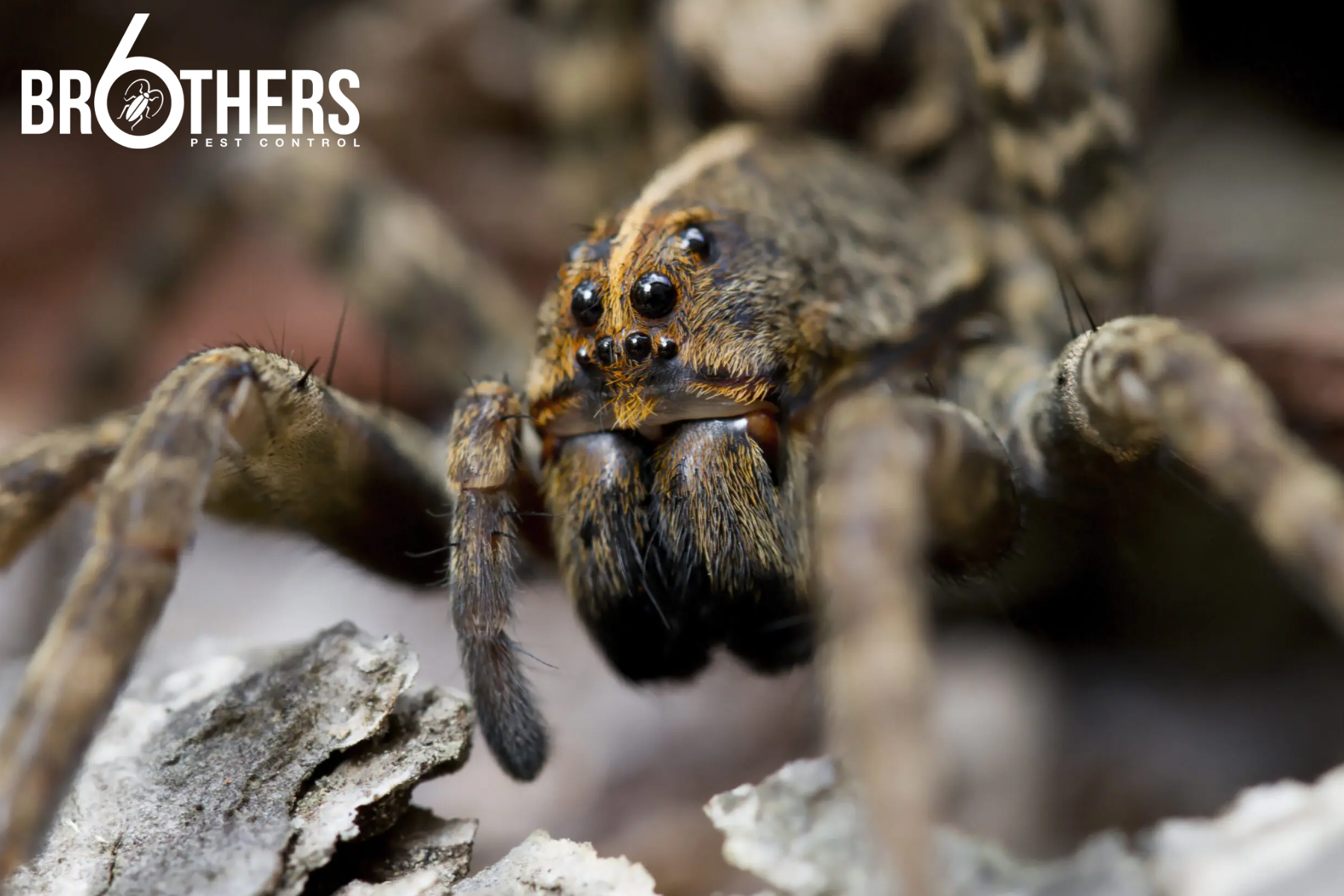
Spiders are not just passive hunters waiting in webs. Many species actively hunt prey, patrol territory, and demonstrate remarkable problem-solving skills. For example, jumping spiders, known for their excellent vision, actively stalk prey rather than relying on a web. Wolf spiders, on the other hand, roam the ground hunting insects at night.
Even as spiders age, their behaviors can evolve. Older spiders may become less active or alter their hunting strategies, reflecting the natural effects of aging. Observing these behaviors in your home can help determine whether you have a seasonal spider issue or a long-term infestation.
Do Spiders Pose a Risk to Humans?
Most spiders are harmless to humans, though bites can occur if a spider feels threatened. Even so, the majority of spiders found in homes are not dangerous and play a crucial role in controlling other pests. They help manage populations of flies, mosquitoes, and other insects, making them valuable allies in keeping homes relatively pest-free.
However, if spider activity becomes overwhelming, it’s essential to consider professional assistance. Searching for spider control near me or Winchester Pest Control can help you find reliable services to manage spider populations safely.
Seasonal Patterns and Spider Lifespan
Spiders often follow seasonal patterns. Many species reach maturity in late summer or early fall, mate, and die shortly afterward, leaving behind egg sacs for the next generation. House spiders and species that thrive indoors may not follow strict seasonal lifespans due to the stable conditions inside homes, allowing them to survive longer than their outdoor counterparts.
Understanding these patterns is crucial for homeowners considering pest management strategies. Preventive measures taken at the right time of year can significantly reduce spider populations.
Tips for Managing Spider Populations
If you’re noticing frequent spider activity in or around your home, here are some practical tips to reduce their numbers without harming your household environment:
- Seal Entry Points: Close cracks and gaps around windows, doors, and other openings.
- Reduce Clutter: Spiders thrive in areas with abundant hiding spots. Keeping spaces tidy minimizes their shelter options.
- Control Other Pests: Since spiders feed on insects, controlling flies, ants, and other pests can naturally reduce spider numbers.
- Outdoor Maintenance: Trim bushes, remove debris, and keep the exterior of your home clear to limit spider habitats.
If these measures aren’t sufficient, professional help from pest control Winchester NV providers ensures effective, environmentally friendly treatment solutions using green and safe pesticides.
About 6 Brothers Pest Control
At 6 Brothers Pest Control, we specialize in safe, effective pest management solutions to protect your home or business. Based in Winchester, NV, our team is dedicated to providing Winchester pest control services that include spider removal and ongoing prevention. We use green and safe pesticides, ensuring the safety of your family and pets while effectively managing pests. Our fully licensed, bonded, and insured technicians provide thorough services, including interior and exterior treatments, de-webbing, and foundation protection. Whether you’re dealing with a seasonal spider problem or persistent infestations, our team can help you maintain a safe, comfortable, and pest-free environment.


