

Wasps are more than just a seasonal nuisance. Their eating habits can have a significant impact on your backyard ecosystem—and even your comfort during outdoor activities. Understanding what fuels their behavior, what attracts them to certain areas, and how they interact with your environment can help you make informed decisions on how to manage their presence safely and effectively.
What Do Wasps Eat?
One of the most commonly asked questions about these buzzing insects is, what do wasps eat? Their diet varies depending on the species and the time of year, but generally, adult wasps consume sugary substances like nectar, honeydew, and fruit juices. Their larvae, however, require protein-rich food, which the adults provide by hunting insects like caterpillars, spiders, and flies.
This dietary division serves an important role: while adult wasps fuel their own energy needs with sugar, they help control the population of other pests by hunting protein sources for their young. This balance plays a key role in local ecosystems, especially in suburban and urban backyards.
How Wasp Diets Shift Seasonally
Wasp colonies go through different phases during the year, and so do their feeding patterns. In the spring and early summer, when colonies are actively growing, wasps are more aggressive hunters. They seek out protein sources to feed their larvae, which leads them to other insects in your garden.
As summer progresses into late summer and fall, the need for protein decreases. At this stage, adult wasps become more focused on sugary substances. This shift is when they start to show up uninvited at your picnics, hovering around soda cans and fruit bowls. Their increased attraction to sweet human food often leads to unwanted encounters, sometimes resulting in stings.
Blue Wasp and Its Role in the Ecosystem
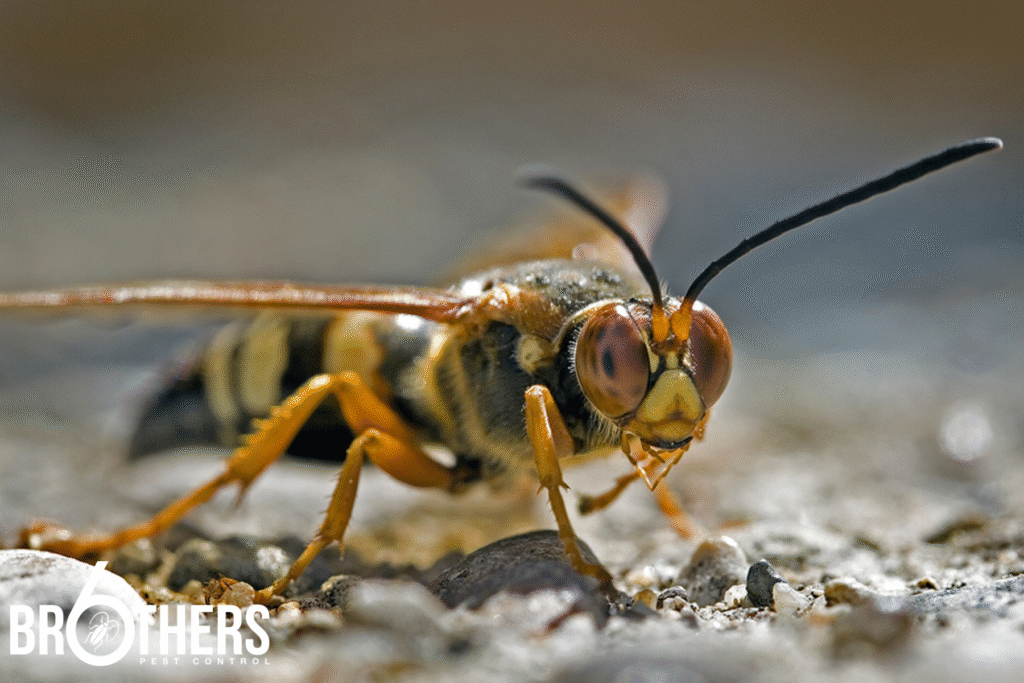
Not all wasps are the same. Some, like the blue wasp, also known as the blue mud dauber, are solitary and less aggressive. These wasps are typically not a threat to humans and can actually be beneficial. Blue wasps prey on spiders, especially black widows, helping to control more dangerous pests in your yard.
Because blue wasps are solitary and don’t defend a communal nest, they’re far less likely to sting unless directly threatened. They often go unnoticed, yet they contribute significantly to natural pest control.
The Impact of Wasps in Your Backyard
Natural Pest Control
Wasps act as a natural pest management system by feeding on various insects that could otherwise damage your plants or become household invaders. Their presence can reduce the need for additional pest treatments by keeping the ecosystem in balance.
Assistance with Pollination
While not as efficient as bees, wasps also contribute to pollination. As they forage for nectar, they inadvertently transfer pollen from flower to flower. This activity supports plant reproduction and can lead to healthier landscaping in your backyard.
Attraction to Human Activity
During late summer and early fall, the shift toward sugary foods brings wasps closer to human dwellings and activities. Barbecues, outdoor dining areas, and uncovered trash bins become prime targets for foraging wasps. This is when they pose the highest nuisance factor and potential sting risk to you and your family.
How to Minimize Wasp Attraction in Your Backyard
Even though wasps play an essential role in nature, you probably don’t want them hovering over your lunch or nesting in your eaves. Fortunately, there are practical ways to make your backyard less appealing to these buzzing visitors:
Keep Food and Drinks Covered
Unattended drinks, sugary foods, and even pet food can attract wasps. During outdoor gatherings, keep containers closed and wipe down surfaces that may have food residue.
Manage Fruit-Bearing Trees
If you have fruit trees, make sure to regularly pick up fallen fruit. Overripe or fermenting fruit is a strong attractant for wasps in search of sugar.
Eliminate Nesting Sites
Inspect your home’s exterior for early signs of nest building. Wasps like to build their nests in eaves, sheds, and other quiet, elevated areas. Early removal can prevent a small problem from becoming a large one.
Use Tight-Sealing Trash Bins
Ensure outdoor trash bins are sealed tightly. Any exposed garbage—especially food waste—can quickly attract wasps, particularly during the sugar-craving part of their life cycle.
Limit Standing Water
Like many pests, wasps are drawn to standing water. Remove stagnant water from flowerpots, gutters, and birdbaths to reduce the chances of wasps frequenting your property.
When to Call for Professional Help
While small wasp populations might be manageable with routine care, persistent or aggressive nests require professional treatment. If you’re dealing with recurring issues or nests that are too large or hard to access, it’s time to consult the professionals. This is especially true if anyone in your household is allergic to stings or if the nest is located near high-traffic areas.
For residents looking for the best pest control in Las Vegas, 6 Brothers Pest Control provides reliable, environmentally friendly solutions to manage wasps and other pests effectively.
About 6 Brothers Pest Control
At 6 Brothers Pest Control, we take pride in being a local, family-owned and operated business dedicated to protecting your home or business from pests. Our highly trained technicians are carefully screened, undergoing drug testing and background checks, so you can trust us to provide reliable and professional service.
We use products that are people-safe, pet-friendly, and environmentally conscious to ensure the health and well-being of your loved ones and the planet. We are fully licensed, bonded, and insured in the state. Our team is committed to using the latest techniques and materials to deliver effective and safe pest control solutions.
We offer general pest control Las Vegas NV services with an initial interior and exterior treatment, followed by routine quarterly maintenance. Interior treatments target key pest-prone areas like baseboards, under sinks, and appliances. Exterior services include de-webbing (including wasp nest removal), foundation and extended barrier applications, and re-treatment if needed within 30 days. This comprehensive strategy creates a robust defense perimeter around your home or business.


