
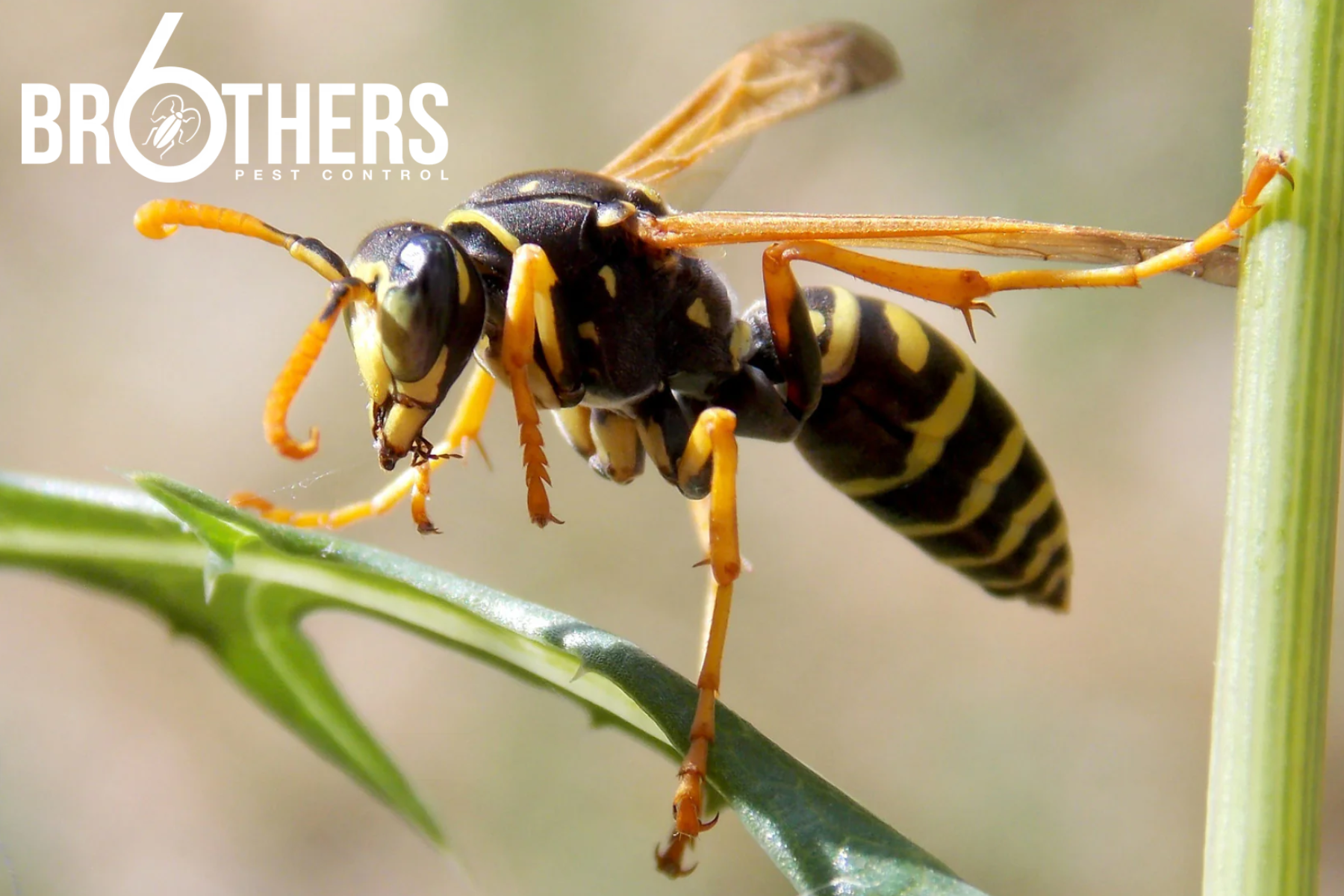
Wasps are often seen as aggressive invaders, especially during the warmer months. But have you ever wondered what exactly attracts them to your yard, picnic table, or home? The truth lies in their diet and it’s more surprising than you might think. Understanding what do wasps eat can help you prevent unwanted encounters and protect your home.
What Do Wasps Eat? A Breakdown by Species
The dietary habits of wasps vary depending on the species and their lifecycle stage. In general, adult wasps have different nutritional needs compared to their larvae. While many people associate wasps with sugary drinks or meats, their food preferences are diverse and complex.
Protein Hunters: Meat and Insects
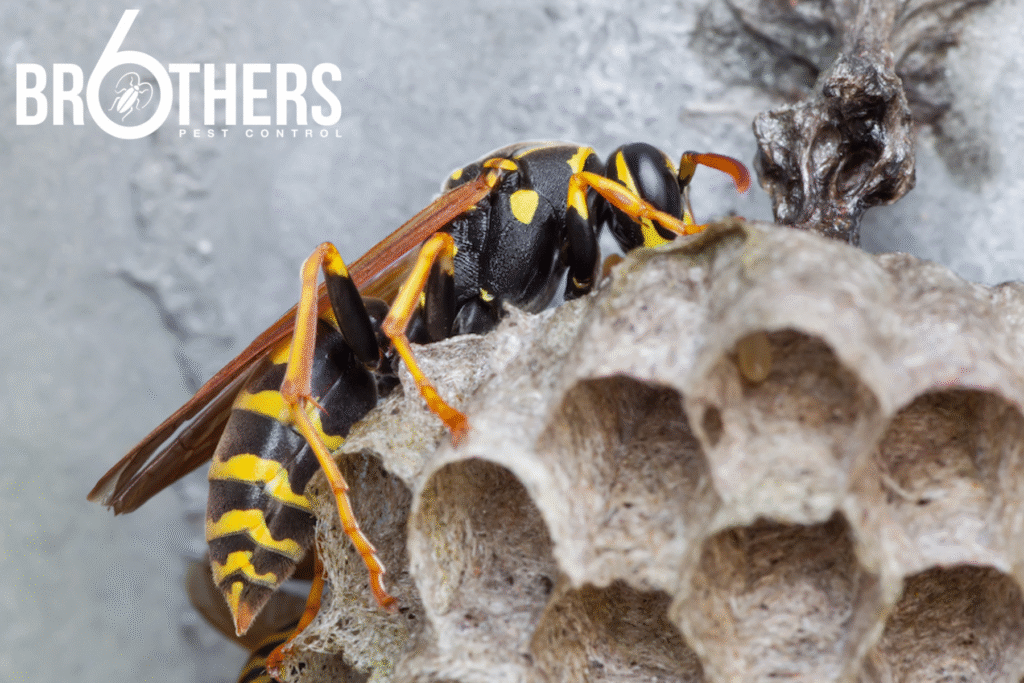
Adult wasps often hunt protein-rich foods to feed their larvae. This includes other insects like caterpillars, flies, and even spiders. Some species are beneficial in this regard, helping manage garden pests. For example, paper wasps and yellow jackets are known to prey on insect larvae.
Wasps are also attracted to raw or cooked meats like those found at backyard barbecues. Leaving meat out, even briefly, can lure them to your outdoor dining area. This is why they become particularly bothersome during late summer and early fall, when their colonies reach their peak size and need more resources.
Sugar Seekers: Sweet Foods and Drinks
While larvae feed on proteins, adult wasps often seek out sugars. They’re drawn to fruits, soda, juice, and other sugary substances. Rotting or fermenting fruit is a favorite among wasps, especially fallen fruit from trees. Even compost piles or open trash bins containing sweet residue can become a buffet for wasps.
It’s no coincidence that wasps seem to show up when you’re enjoying a piece of watermelon or sipping on a sugary drink outdoors. These sweet cravings help fuel their energy needs.
Surprising Sources of Attraction
Wasps are not just attracted to obvious food sources. Some lesser-known attractants include:
- Pet food: Especially wet dog or cat food, which contains both protein and fat.
- Tree sap: Particularly from damaged or sappy trees.
- Plant nectar: Certain flowering plants can attract wasps looking for sugary nectar.
- Picnic trash: Leftover crumbs, sticky napkins, and empty drink cans can draw in foragers.
Even scented lotions, perfumes, or hair products can resemble floral or fruity smells that confuse wasps into thinking they’ve found food.
Are All Wasps Attracted to the Same Foods?
Not necessarily. Some wasp species have more specialized diets. For example:
- The blue wasp, a strikingly colored species, feeds primarily on nectar and small insects.
- Ground wasps, such as cicada killers, hunt large prey like cicadas and build nests in sandy soils.
Knowing what type of wasps you’re dealing with is important for determining the best prevention strategy. If you suspect aggressive or territorial species nesting nearby, it may be time to search for wasp control near me to professionally assess and treat the area.
Why Are Wasps More Active in Late Summer?
Wasps are most noticeable in late summer and early fall because food sources inside the nest start to dwindle. As the colony prepares for the end of its lifecycle, worker wasps venture out more aggressively in search of food. This is when they become most interested in human activity and food.
Additionally, wasps stop feeding their larvae and begin to consume more sugary substances for themselves. That’s why they appear to hover around drinks, fruit bowls, and open garbage bins.
How to Reduce Wasp Attraction Around Your Home
Preventing wasps starts with removing or managing their food sources. Here are some effective tips:
Keep Outdoor Eating Areas Clean
After eating outdoors, thoroughly clean tables, remove plates, and secure leftovers promptly. Rinse out cans and bottles before placing them in recycling bins.
Seal Trash Properly
Use tight-fitting lids on garbage and compost bins. Clean spills and residue frequently.
Pick Up Fallen Fruit
If you have fruit trees, regularly collect fallen fruit to prevent fermentation that attracts wasps.
Secure Pet Food
Avoid feeding pets outdoors, or bring in their food bowls immediately after meals.
Use Plant Selection Wisely
Limit flowering plants near seating areas or entryways, especially those known to attract wasps with nectar.
Inspect for Nests
Regularly check under eaves, rooflines, decks, and in the ground for signs of wasp nests. If you see wasp traffic coming and going from a specific area, contact a professional for help.
When to Seek Professional Help
If you’re dealing with a high volume of wasps or suspect a nest near your home, it’s best not to handle it yourself. Wasps can be territorial and will sting to defend their colony. Instead, search for trusted wasp control near me to get expert assistance in identifying, removing, and preventing nests safely.
About 6 Brothers Pest Control
At 6 Brothers Pest Control, we are proud to serve the community as a local, family-owned and operated business. Our team is dedicated to protecting homes and businesses from a wide range of pests, including wasps, ants, spiders, rodents, and more. With a focus on safety, we use green and safe pesticides that are people-safe, pet-friendly, and environmentally responsible.
If you’re dealing with blue wasp sightings, a ground wasp nest in your yard, or simply want to learn what do wasps eat to better protect your space, our team is ready to help. We provide Kuna pest control solutions tailored to your needs.
Our treatment process includes:
- Thorough interior and exterior application
- De-webbing service up to 18 feet high
- Foundation and extended barrier treatments
- Free re-treatment if needed within 30 days
We proudly offer ongoing residential and commercial pest control in the area, including reliable pest control Kuna ID. Contact us today to schedule an inspection and experience the peace of mind that comes with a pest-free home.


