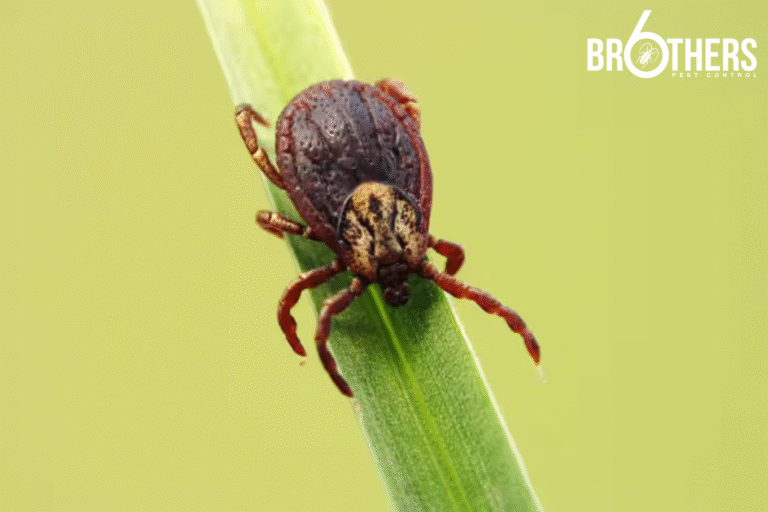
Ticks are often thought of as mere nuisances, but they can be far more dangerous than most people realize. These tiny creatures can carry diseases such as Lyme disease, Rocky Mountain spotted fever, and babesiosis, which pose significant risks to both humans and pets. Understanding the lifespan of ticks is crucial in combating these risks effectively. Ticks’ ability to live for extended periods, coupled with their parasitic nature, makes them a ticking time bomb for your family and pets. In this article, we’ll explore how long do ticks live, how their lifespan can put your loved ones at risk, and the steps you can take to protect your home and property.
How Long Do Ticks Live?
The lifespan of a tick can vary significantly depending on the species, environmental conditions, and the availability of a host. In general, ticks can live anywhere from a few weeks to several months, and during that time, they can pose a serious threat to both humans and animals.
1. The Tick Life Cycle
Ticks go through four stages in their life cycle: egg, larva, nymph, and adult. The duration of each stage depends on the tick species and environmental factors such as temperature and humidity.
- Eggs: Female ticks lay hundreds to thousands of eggs, which hatch into larvae.
- Larvae: Larvae are tiny, six-legged creatures that require a blood meal to survive. They will latch onto their first host, often a small animal or bird, and feed for several days.
- Nymphs: After feeding, the larvae molt into nymphs, which are also bloodsuckers. Nymphs are capable of transmitting diseases, making them a significant concern for both humans and pets.
- Adults: The final stage in a tick’s life cycle is the adult phase. Adult ticks are larger and more easily visible than their nymphal counterparts. They also require a blood meal to reproduce, continuing the cycle.
Some ticks can live up to two years in the wild, while others can survive for up to three years, depending on the availability of hosts.
2. How Long Do Ticks Live Without a Host?
Ticks are not known for surviving long without a host, but their ability to endure long periods of starvation varies depending on the species and environmental conditions.
- Without a host: Most ticks can survive for several days to weeks without feeding. However, some species, like the Deer tick, can live for several months without a blood meal. These ticks can enter a state of dormancy, waiting for the right conditions to emerge and attach to a host.
- During hibernation: In colder climates, ticks often go dormant during winter. They can survive in a state of suspended animation, only reawakening when temperatures rise and a potential host is near.
This adaptability makes ticks particularly dangerous, as they can easily survive in the environment, waiting for the perfect opportunity to latch onto a host and feed.
The Hidden Risks of Tick Longevity
Ticks can live for long periods in your yard or surrounding environment, which means they can be ready to latch onto pets and family members at any moment. Their lifespan, coupled with their ability to carry diseases, makes them a serious health risk. Here’s how ticks can put your family and pets at risk:
1. Transmission of Disease
Ticks are vectors for several harmful diseases. The longer they survive, the greater the risk of disease transmission. Some of the most common tick-borne illnesses include:
- Lyme disease: Caused by the bacterium Borrelia burgdorferi, Lyme disease is transmitted by the black-legged (Deer) tick. The disease can lead to joint pain, fatigue, and neurological problems if left untreated.
- Rocky Mountain spotted fever: This is another serious illness transmitted by ticks, causing symptoms like fever, rash, and abdominal pain. If untreated, it can be fatal.
- Babesiosis: This parasitic infection affects the red blood cells and is often transmitted by the black-legged tick. Symptoms can include fever, chills, and fatigue.
2. Risks to Pets
Pets, especially dogs, are prime targets for ticks. These parasites can attach to your pet while they’re playing outdoors, feeding for several days, and possibly transmitting diseases like Lyme disease or anaplasmosis. Pets are also at risk of tick paralysis, a condition caused by a neurotoxin released by certain tick species.
Since ticks can live for months and remain dormant without a host, pets that are allowed outdoors can unknowingly carry ticks back into your home, where they might attach to other family members.
3. Spreading in the Environment
Ticks are often found in areas with tall grasses, wooded areas, and brush. Because they can live for extended periods, ticks can easily spread to new areas, especially if they’re carried by animals like deer, rodents, or even domestic pets. A single tick in your yard can quickly lead to an infestation, putting your entire family at risk. Fortunately, there are natural predators that can help reduce tick populations. If you’re wondering what eats ticks, some of their natural enemies include birds like wild turkeys and chickens, as well as certain species of ants, spiders, and small mammals like opossums. Encouraging these animals in your yard can help keep the tick population under control.
Preventing Tick Infestations: How to Protect Your Family and Pets
The key to protecting your family and pets from ticks is prevention. Understanding the potential lifespan of ticks and their ability to survive without a host is crucial in taking proactive steps to prevent an infestation.
1. Maintain Your Yard
Ticks thrive in overgrown grass, bushes, and wooded areas. To reduce tick populations in your yard, make sure to:
- Mow your lawn regularly.
- Trim back shrubs and bushes where ticks may hide.
- Remove leaf litter and debris that could serve as a tick habitat.
- Create a tick-free zone around your home by using gravel or wood chips as a barrier between wooded areas and the house.
2. Use Tick Repellents
When spending time outdoors, use tick repellents on both humans and pets. Look for tick control near me solutions that are specifically designed to keep ticks away. For pets, consult with your veterinarian about tick preventatives, such as topical treatments or collars.
3. Regularly Check for Ticks
After spending time outdoors, always check both yourself and your pets for ticks. Pay close attention to areas where ticks are most likely to attach, such as:
- Behind the ears
- Under the arms
- Around the groin area
- Between the toes
Promptly remove any ticks you find using fine-tipped tweezers, making sure to remove the entire tick to reduce the risk of disease transmission.
4. Seek Professional Pest Control
If ticks have already infested your yard or home, professional pest control Caldwell services in Caldwell can help. Professional pest control companies use green and safe pesticides to eliminate ticks from your environment, ensuring your home and yard are protected from these dangerous pests.

About 6 Brothers Pest Control
At 6 Brothers Pest Control, we are committed to providing safe, effective, and environmentally conscious pest control solutions. Located in Caldwell, ID, we specialize in tick control and pest control Caldwell ID services to protect your family and pets from the dangers of ticks. Our team of trained technicians uses the latest techniques and products to ensure a tick-free environment around your home.