Waking up with a mysterious red bump can be alarming. You may immediately wonder: spider bite vs tick bite which one is it? The truth is, these bites differ in appearance, symptoms, and risks. Identifying the culprit correctly is essential for treatment and safeguarding your home. In this guide, you’ll learn how to spot the differences, recognize symptoms in humans and pets, and discover when to reach out for professional help from pest control Kuna ID experts.
Understanding Why Differentiation Matters
Spider bites can often be harmless, but bites from venomous species like brown recluse or black widow may trigger serious reactions. Tick bites, on the other hand, can transmit diseases such as Lyme disease or Rocky Mountain spotted fever that don’t necessarily show symptoms right away. Knowing whether you’re facing a spider bite or a tick bite helps guide your next steps: home care, medical attention, or pest interventions.
How to Identify a Spider Bite
Visual Clues
Spider bites usually leave behind one or two small puncture marks. The spot may turn red and swell, sometimes forming a blister. Over time, some bites can ulcerate or develop a distinctive “bullseye” appearance.
Symptoms to Watch For
- Immediate sharp pain, burning, or itching around the bite site
- Swelling that may intensify over hours
- Discomfort that can spread beyond the bite area
- In rare cases: fever, nausea, muscle cramps, or chills
When to Worry
Most spider bites are mild, but if redness spreads, swelling increases, or systemic symptoms appear, medical evaluation is important, especially if you suspect a venomous spider.
How to Identify a Tick Bite
Visual Cues
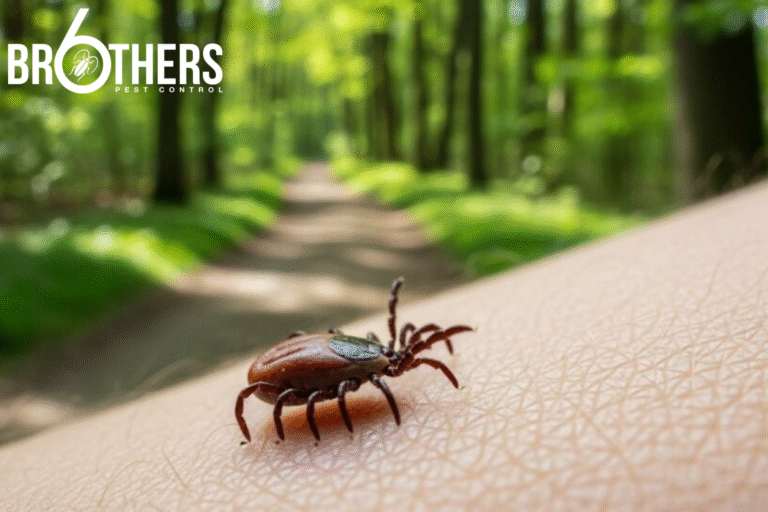
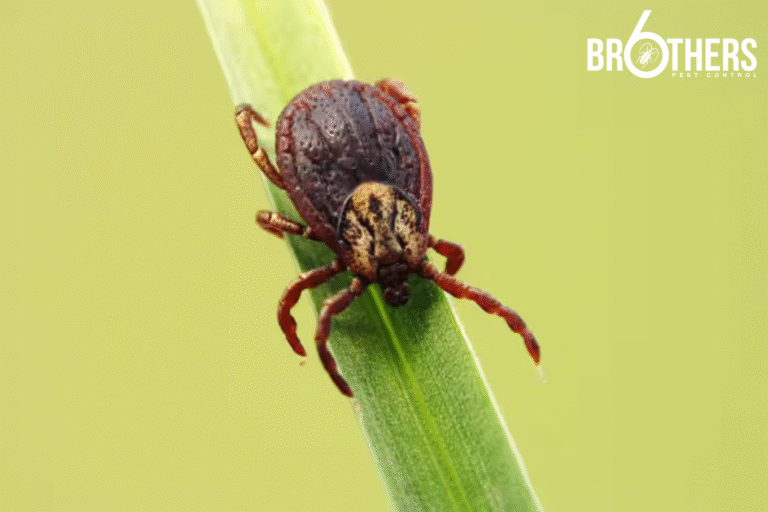
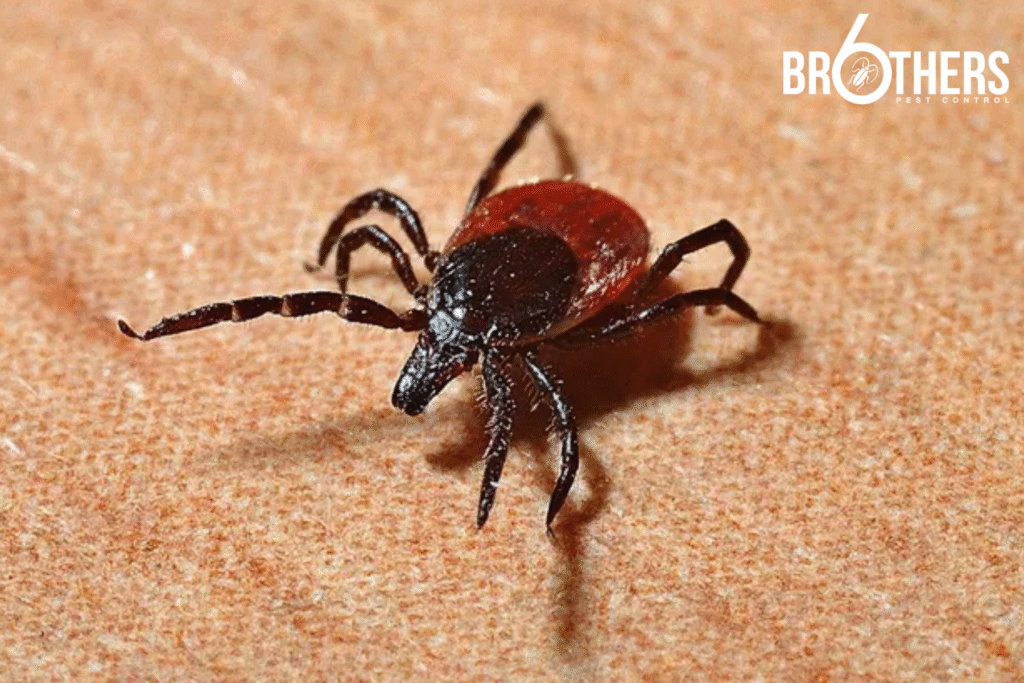
Tick bites often feature a small, flat red spot. The tick may still be attached and visible. In some cases, especially Lyme disease, an expanding “bullseye” rash may appear days later.
Common Symptoms
- Initial bite is often painless or mildly itchy
- Flu-like symptoms may follow: fever, fatigue, joint pain
- In pets, watch for signs like lethargy, loss of appetite, or lameness common in tick bite symptoms in dogs
Hidden Risks
Ticks latch on and feed for hours or days, making removal crucial. Diseases can manifest days or even weeks after the bite, so early detection is critical.
Comparing Spider Bites and Tick Bites
Here are essential distinctions to help you tell them apart:
- Puncture mark(s): Roughly one or two for spiders; a small red spot for ticks
- Pain or itching: Spider bites are often painful or itchy from the start; tick bites tend to be painless initially
- Timing of symptoms: Spider bite issues show quickly; tick-borne illness can appear much later
- Presence of the culprit: For ticks, you may still see the insect attached spiders bite and leave
- Disease transmission: Ticks are carriers of pathogens; only certain spiders pose venom risks
Immediate First Aid Actions
After a Spider Bite:
- Clean bite area with mild soap and water
- Apply a cool, damp cloth to reduce discomfort
- Watch for swelling or spreading rash
- Seek medical help if the bite looks infected or spider is known to be venomous
After a Tick Bite:
- Use fine-tipped tweezers to gently remove the tick, pulling straight out
- Disinfect the area with alcohol or soap and water
- Save the tick in a sealed container for identification, if possible
- Monitor for unusual symptoms like rash or fever in the coming weeks
- Consult a doctor if symptoms arise or if the tick remained attached for more than 24 hours
Preventing Spider and Tick Bites at Home
Avoiding future bites is about reducing exposure and making your environment less appealing to pests:
Spider Protection Tips
- Seal cracks in walls, windows, and doors
- Declutter basements, attics, and garages where spiders hide
- Use de-webbing in eaves and corners to remove webs before they fill with egg sacs
Tick Prevention Tips
- Keep your lawn mowed and remove debris that ticks love
- Store firewood away from your home’s foundation
- Use veterinarian-approved tick prevention for pets regularly
- Apply green and safe pesticide treatment around the perimeter
Professional services focused on tick control near me ensure that treatments are effective yet environmentally responsible.
Why You Might Need Professional Assistance
If spiders or ticks keep showing up despite your best efforts, it’s time to get help. Licensed professionals assess where pests enter, apply targeted treatments, and offer maintenance plans to protect your space long-term. Homeowners in the Kuna area can rely on local services tailored to regional pest patterns.
About 6 Brothers Pest Control
At 6 Brothers Pest Control, we’re proud to be a family-owned, locally operated team serving Kuna, ID. Our mission is to protect homes and businesses with safe, effective pest solutions using green and safe pesticides that prioritize your family’s health and the environment.
Every technician on our team is background-checked and trained to provide reliable, professional service. Our quarterly general Kuna pest control program includes comprehensive interior and exterior treatments, foundation and extended barrier applications, and de-webbing to remove spider webs and nests. All steps are designed to stop pest threats at the source, keeping your property protected year-round.