
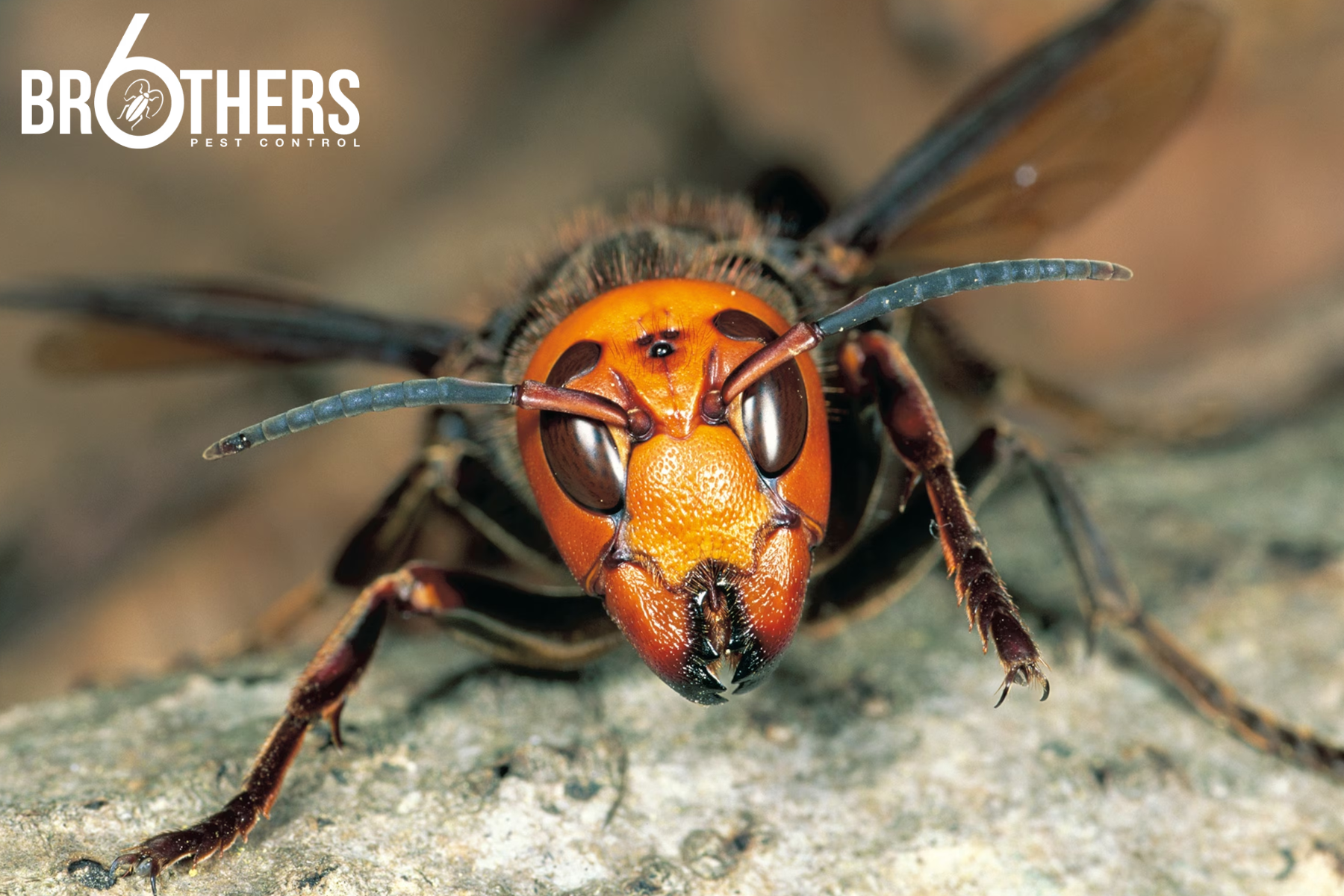
A bald-faced hornet sting can leave more than just an emotional scar. These aggressive insects, known for their black and white markings, deliver painful stings that can affect your body in various ways. While some people experience mild discomfort, others may have more severe reactions. In this blog post, we’ll explore the effects of a bald-faced hornet sting, what you should do immediately after being stung, and when you should seek medical help.
Understanding Bald-Faced Hornets
Before diving into the physical effects of a hornet sting, it’s important to understand the insect itself. A bald-faced hornet is a type of wasp characterized by its black body and white markings on the face and thorax. These hornets are larger than typical yellowjackets and can become aggressive if they feel their nest is threatened.
While hornets typically build nests in trees or bushes, they are also known to create their hives in hard-to-reach places, such as under eaves or inside walls. It’s crucial to exercise caution if you spot a black wasp with white stripes around your property, as their sting can be very painful and lead to serious reactions.
Immediate Effects of a Bald-Faced Hornet Sting
The Painful Sting
The initial reaction to a bald faced hornet sting is usually a sharp, burning pain. The venom is injected into your skin by the hornet. The sting itself can be felt almost immediately, and the intensity of the pain may last anywhere from a few minutes to several hours. For many, the pain may be accompanied by swelling and redness at the sting site. However, the pain typically subsides within an hour or two as the body absorbs the venom.
Swelling and Redness
Swelling is another common effect of a hornet sting. The venom injected by the hornet causes the skin to react with inflammation, leading to localized swelling around the sting site. In some cases, this swelling may spread, depending on the number of stings and the person’s sensitivity to the venom. Along with the swelling, redness, and heat, the sting area may be noticeable.
While the swelling typically subsides within a day or two, some individuals may experience a more prolonged response, particularly if they’ve been stung multiple times. Ice packs and over-the-counter pain relief can help reduce both the pain and swelling.
Itching and Rash
As the sting heals, itching and a rash may appear. This is a result of the body’s immune system reacting to the venom. The rash may spread slightly, but it should not be mistaken for an allergic reaction unless it is severe. Itching can be managed with anti-itch creams or antihistamines.
Allergic Reactions to Bald-Faced Hornet Stings
While most people experience only temporary pain, swelling, and redness from a bald-faced hornet sting, some individuals may experience a more severe allergic reaction. The venom of hornets can trigger an immune system response in susceptible people, which may lead to a condition known as anaphylaxis. This is a life-threatening situation that requires immediate medical attention.
Symptoms of an Allergic Reaction
An allergic reaction to a hornet sting can happen quickly, usually within minutes. Some symptoms include:
- Difficulty breathing or wheezing
- Swelling of the throat or tongue
- Rapid pulse or dizziness
- Hives or a widespread rash
- Nausea or vomiting
- Loss of consciousness
If you or someone else experiences any of these symptoms after being stung, it’s essential to seek emergency medical help immediately. Anaphylaxis can be fatal if not treated promptly, and it often requires an injection of epinephrine to reverse the symptoms.
Long-Term Effects of a Bald-Faced Hornet Sting
For most individuals, the effects of a bald-faced hornet sting are temporary. However, in rare cases, some individuals may experience prolonged symptoms or even secondary infections.
Secondary Infections
In some instances, the sting site may become infected, particularly if scratched. Scratching the sting can introduce bacteria into the wound, leading to an infection. Symptoms of an infection include increased redness, warmth, pus, and persistent pain around the sting area. If you notice these signs, you should see a doctor for appropriate treatment.
Chronic Sensitivity
Some individuals who experience severe allergic reactions to hornet stings may develop a heightened sensitivity to future stings. This means that the next time they’re stung, they could experience an even stronger reaction. People who are allergic to hornet stings should carry an epinephrine auto-injector, also known as an EpiPen, in case of future stings.
How to Treat a Bald-Faced Hornet Sting
If you’ve been stung by a bald-faced hornet, there are several steps you can take to alleviate the symptoms:
1. Clean the Sting Site
Wash the area with soap and water to prevent infection. This also helps remove any venom that may be left on the skin.
2. Apply a Cold Compress
Use ice or a cold compress to reduce swelling and numb the pain. Apply it for 10-15 minutes at a time, allowing your skin to rest in between.
3. Take Pain Relievers
Over-the-counter pain relievers, such as ibuprofen or acetaminophen, can help manage pain and inflammation. Ensure you follow the recommended dosage instructions.
4. Use Topical Creams
Anti-itch creams or antihistamines can be applied to reduce itching and swelling. Calamine lotion or hydrocortisone cream is both effective for this purpose.
5. Watch for Signs of an Allergic Reaction
If you experience any signs of an allergic reaction, such as difficulty breathing or dizziness, seek immediate emergency medical attention.
Preventing Bald-Faced Hornet Stings
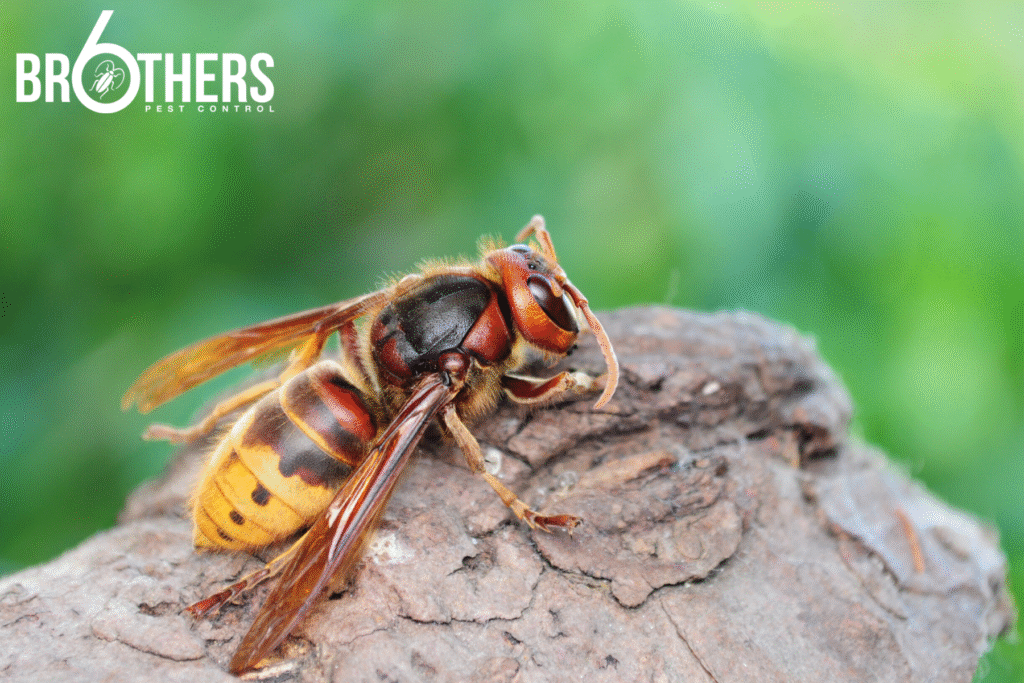
The best way to avoid the painful effects of a bald-faced hornet sting is to prevent encounters with these insects. If you see a black wasp with white stripes around your property, take care to avoid disturbing their nest. Hornets can become aggressive if they feel threatened, and disturbing their nest will only increase your chances of being stung. If you’re concerned about hornets around your property, searching for hornet control near me can help you find professional services to safely manage and remove any nests before they become a bigger problem.
If you have a hornet nest near your home or business, it’s advisable to call a professional North Las Vegas pest control service to remove it safely. Trying to handle the situation yourself can result in serious stings or even provoke the hornets into attacking.
About 6 Brothers Pest Control
At 6 Brothers Pest Control, we are a locally owned and operated family business dedicated to providing safe and effective pest control solutions. Based in North Las Vegas, we specialize in pest control North Las Vegas NV and offer services for hornet removal, general pest management, and prevention. Our technicians are trained to safely remove hornet nests and prevent future infestations, ensuring your home or business remains pest-free. We use green and safe pesticides that are people-safe, pet-friendly, and environmentally conscious.


